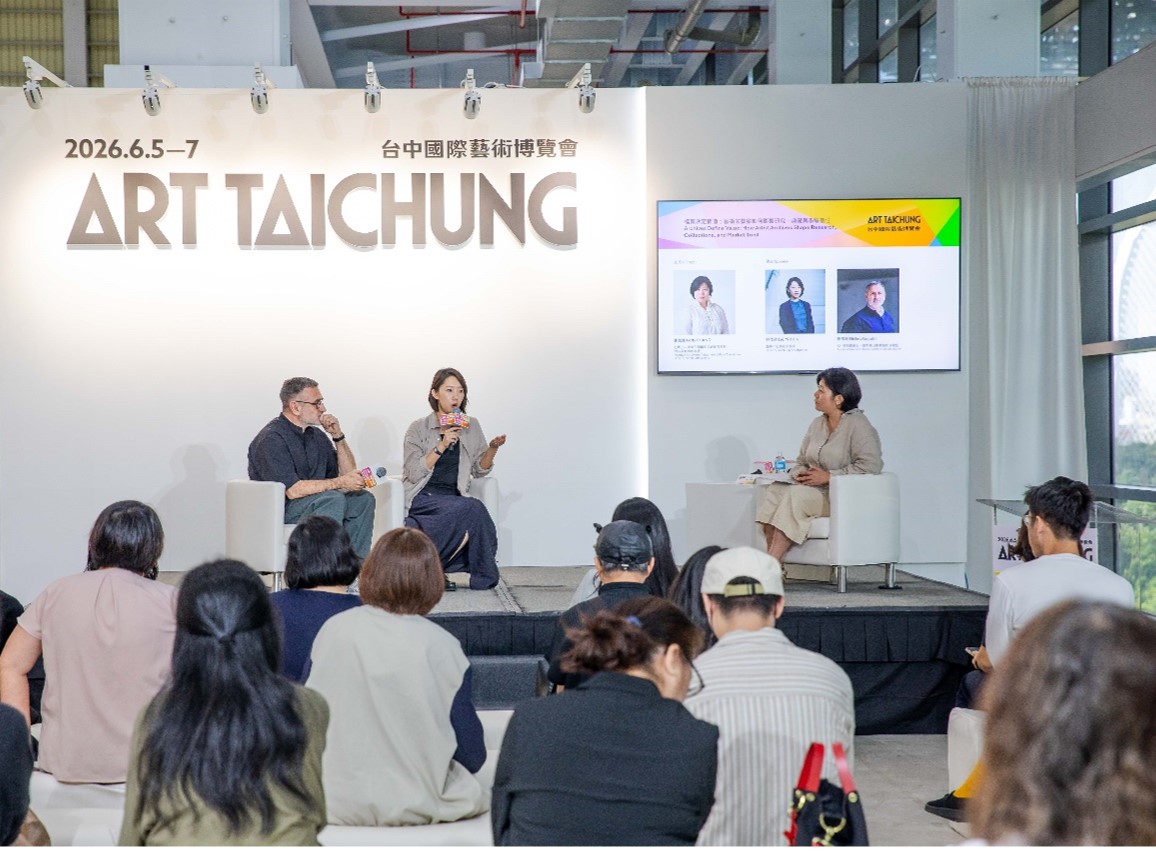
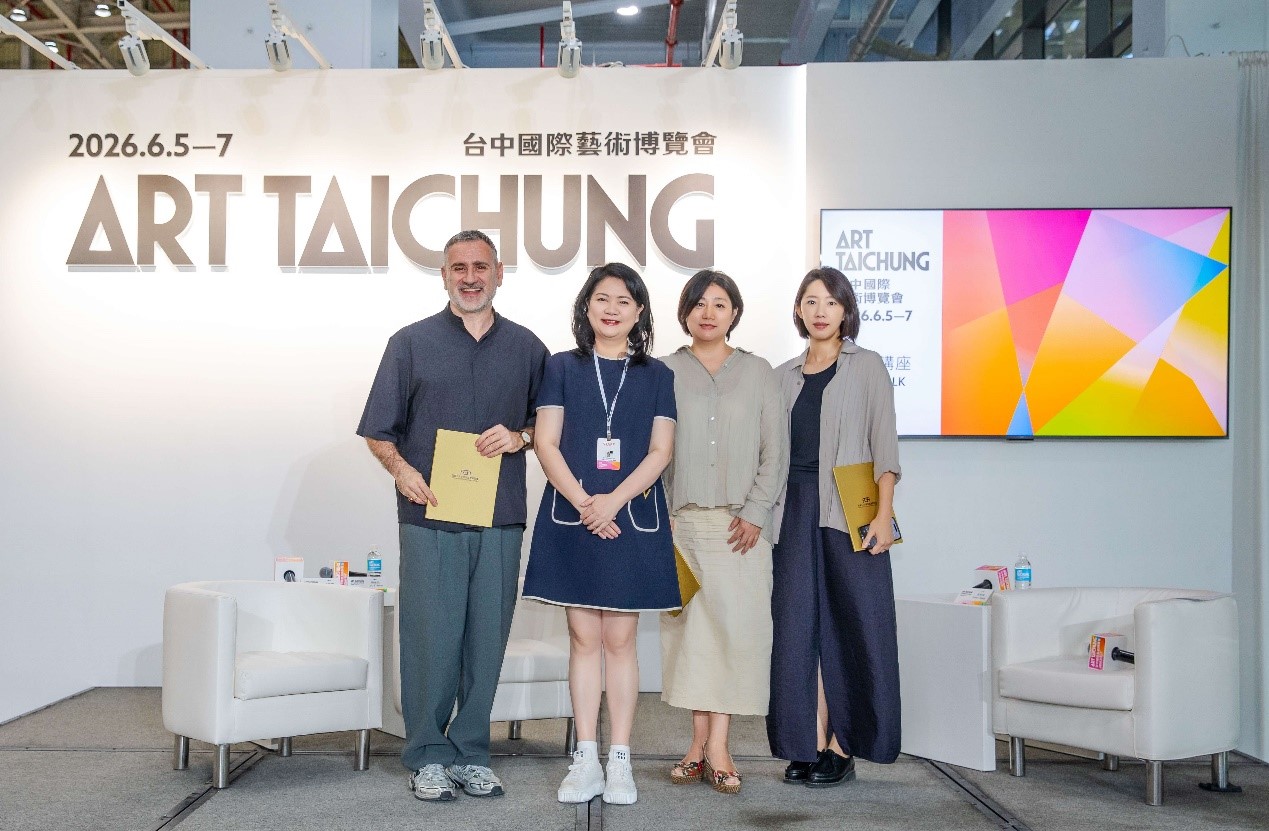
On 7 June 2026, the ART TAICHUNG International Art Fair hosted an Art Talk titled “Archives Determine Value: How Artist Archives Shape Research, Collections, and Market Trust”. The event invited Ms. Lai Yi‑Hsin, Director of Taichung Art Museum, Mr. Nickos Gogolos, Associate Director, Collections, Archives and Library at M+ Hong Kong, and Ms. Ketty Chang, Deputy Chairperson of the Taiwan Art Gallery Association, to discuss the role and development of artist archives within the contemporary art ecosystem.
With the rapid advancement of AI technologies and the expansion of digital environments, the circulation of artworks and the modes of information dissemination have undergone significant change. Artists now share their work through social media, galleries increasingly rely on digital platforms to promote exhibitions, and artworks move continuously among exhibitions, markets and collecting institutions. Against this backdrop, questions of how to preserve creative processes, research materials and historical context have gradually become key issues of concern in the art field.
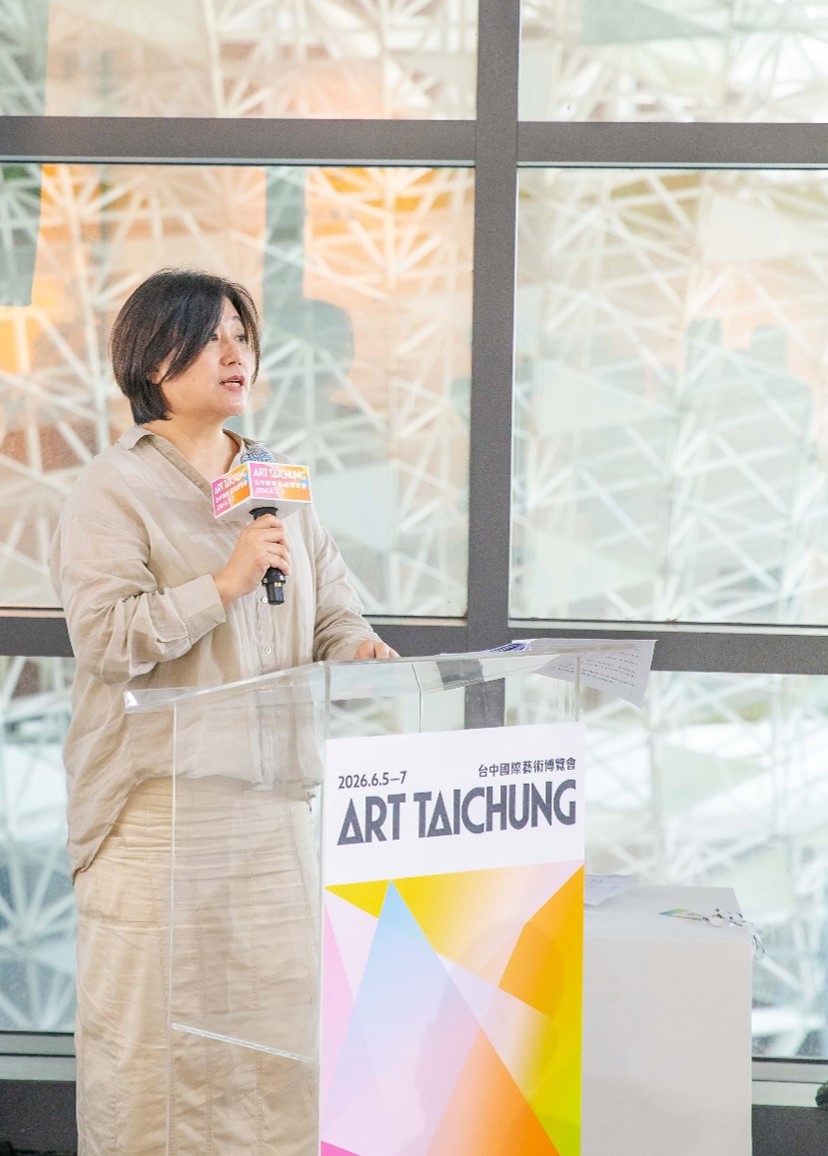
In her presentation, Director Lai shared Taichung Art Museum’s practical experience in developing artist archives after its establishment. She noted that, beyond its core functions of collection and display, the museum also bears the responsibility of documenting regional art histories through research and archival work that reflect diverse perspectives. The museum has begun systematically organizing manuscripts, letters, design drawings, photographs and related documentary materials connected to artists with strong ties to the Taichung area, with the aim of ensuring that their creative trajectories and cultural contexts can be properly preserved and studied.
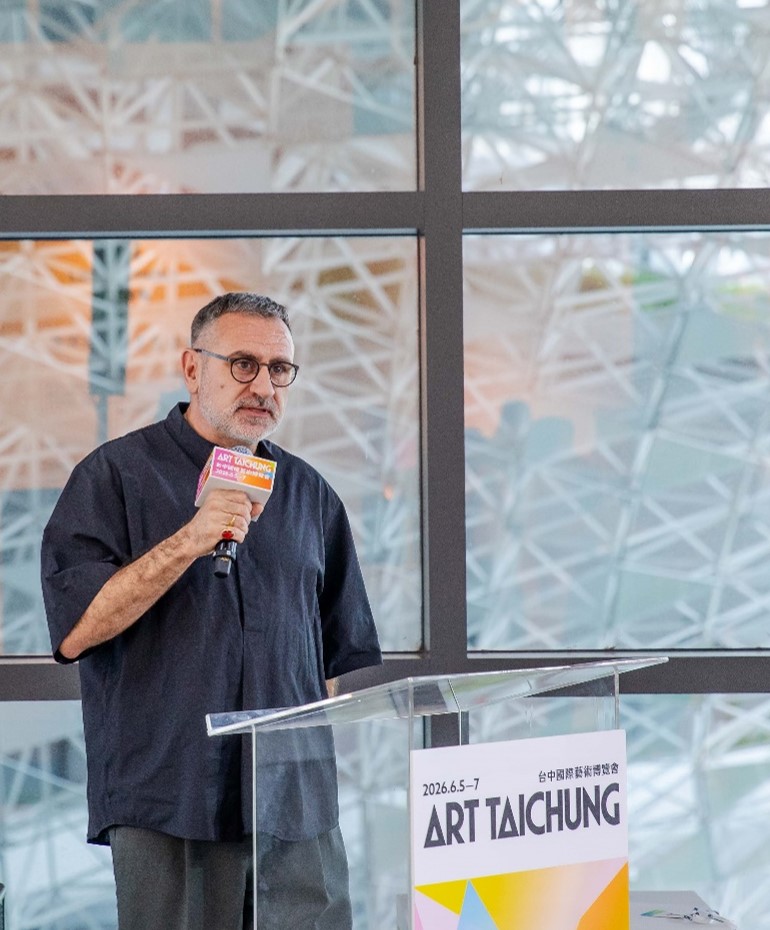
Representing M+, Nickos Gogolos introduced the museum’s recent efforts in developing cross‑disciplinary archival and collection practices. The M+ Archives and Library collections span architecture, design, moving image and visual art, and are made available to researchers and the wider public through the museum’s research centre. Its collection strategy focuses not only on artworks themselves, but also on the comprehensive preservation of process documentation, research materials and coherent archival groupings, in order to build a more complete system of cultural memory.
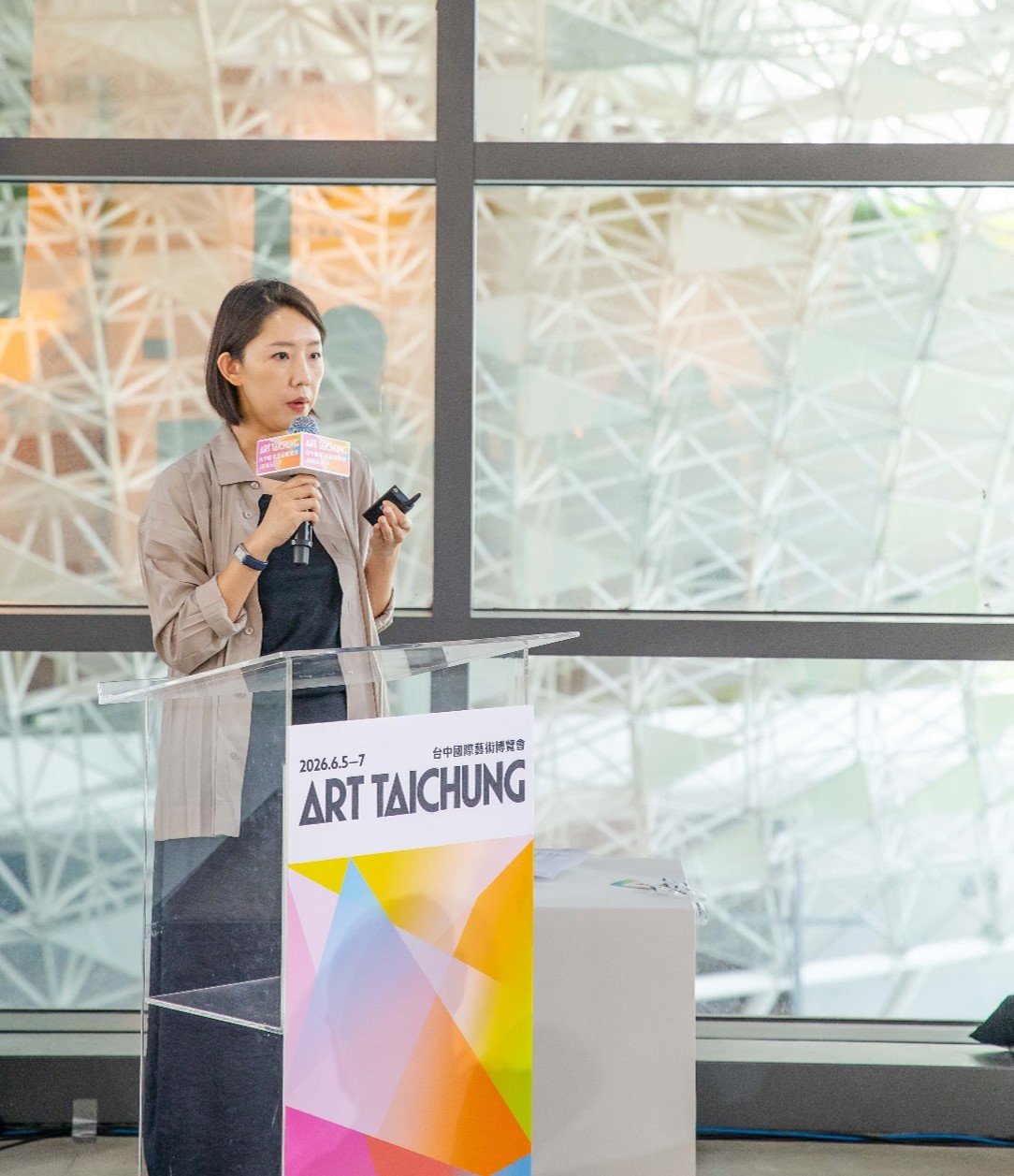
Deputy Chairperson of the Taiwan Art Gallery Association, Ms. Ketty Chang, noted that in today’s contemporary art ecosystem, the circulation of artworks and the speed of information dissemination are accelerating. Artists present their creations through social media, galleries promote exhibitions via online viewing rooms, and collectors engage in cross‑regional movement and exchange, while artworks continuously circulate among exhibitions, auctions, and the market. In such a context, the absence of a systematic mechanism for building and preserving artist archives can result in the rapid loss of critical information, which in turn affects scholarship on artworks, provenance research, and the foundations of market trust.
Participants generally agreed that artist archives are gradually evolving from auxiliary research materials into essential infrastructure linking artistic creation, research, collections, the art market, and cultural transmission. With the advent of the digital era, archival work no longer concerns only the preservation of materials; it also encompasses the construction of cultural memory, the production of knowledge, and the promotion of public access. Its importance is increasingly recognised by the art world and cultural institutions.
As a platform for research on the art industry and the dissemination of professional knowledge, the Taipei Art Economics Research Centre (TAERCentre) continues to focus on issues such as artist archives, the preservation of art‑historical materials, and art asset management. Through research on the value‑building of artist archives, the development of the Taiwan Art Gallery Archive (arTchive), and related research projects, TAERCentre seeks to advance the preservation, research use, and public access of art‑related archives, thereby strengthening the accumulation of art‑historical materials and the foundations of cultural heritage governance.